CFD/FEA Center
The most expensive design error is the one discovered after fabrication.
When you can't be certain equipment will perform in the field the way it was designed to
Before it's ever built, every piece of industrial equipment begins as a set of engineering assumptions. We assume heat will distribute evenly, that the structure will handle real operating loads, and that material will move through the system the way we expect. Until those assumptions are tested, the design remains an engineering hypothesis.
A furnace with uneven heat distribution burns more energy and affects process quality. A structure that doesn't properly handle cyclic loads may crack years later, but the cause traces back to the day it was designed. In material handling systems, a small change in geometry can prevent recurring jams and unplanned stoppages. These problems surface during operation, but they could have been prevented at the design stage.
Design risk is least expensive to eliminate while it's still just a line on a drawing.
At Alvand Technic, engineering validation isn't a standalone offering; it's part of the design process itself. The purpose of simulation is to answer one engineering question: will this design behave in real operating conditions the way we expect it to?
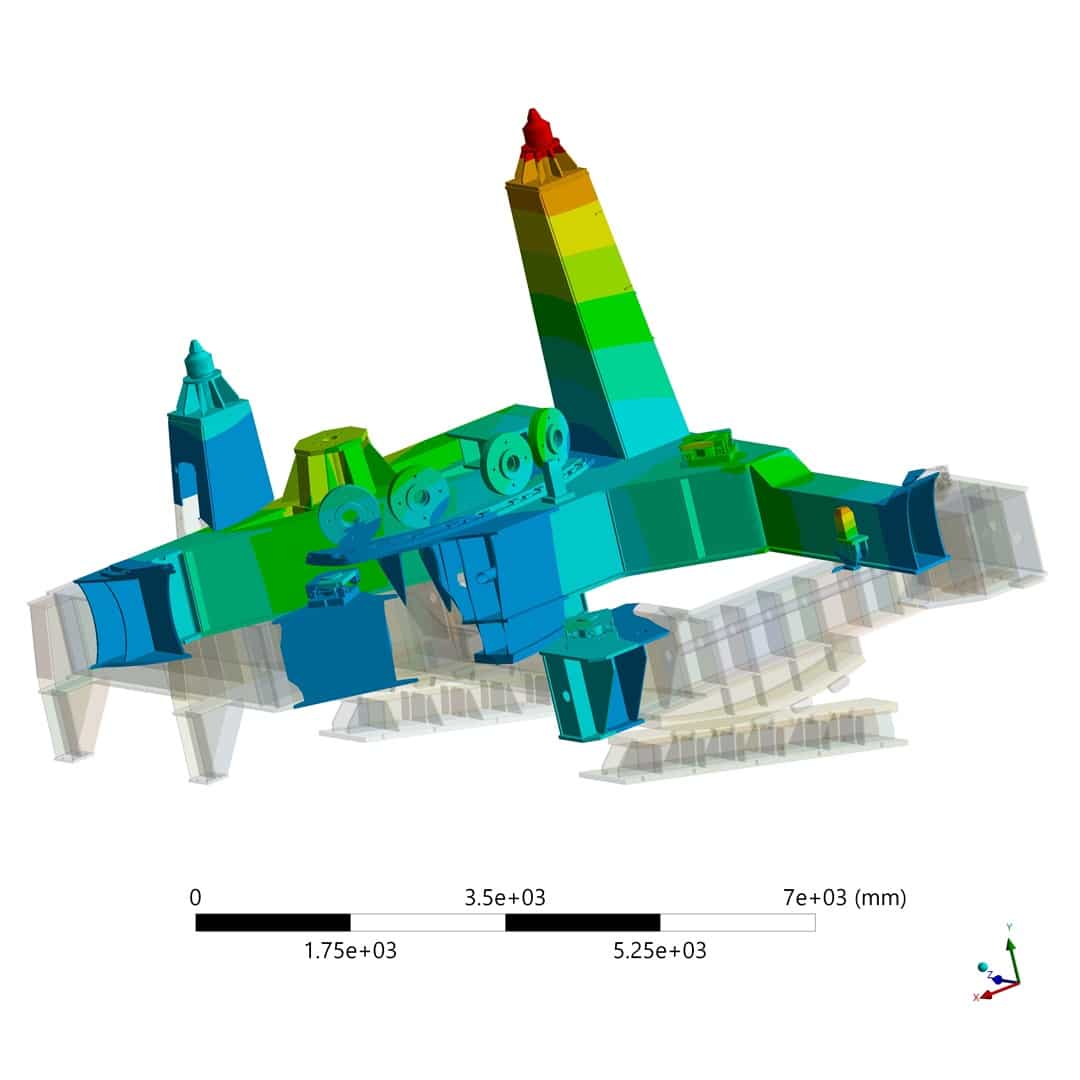
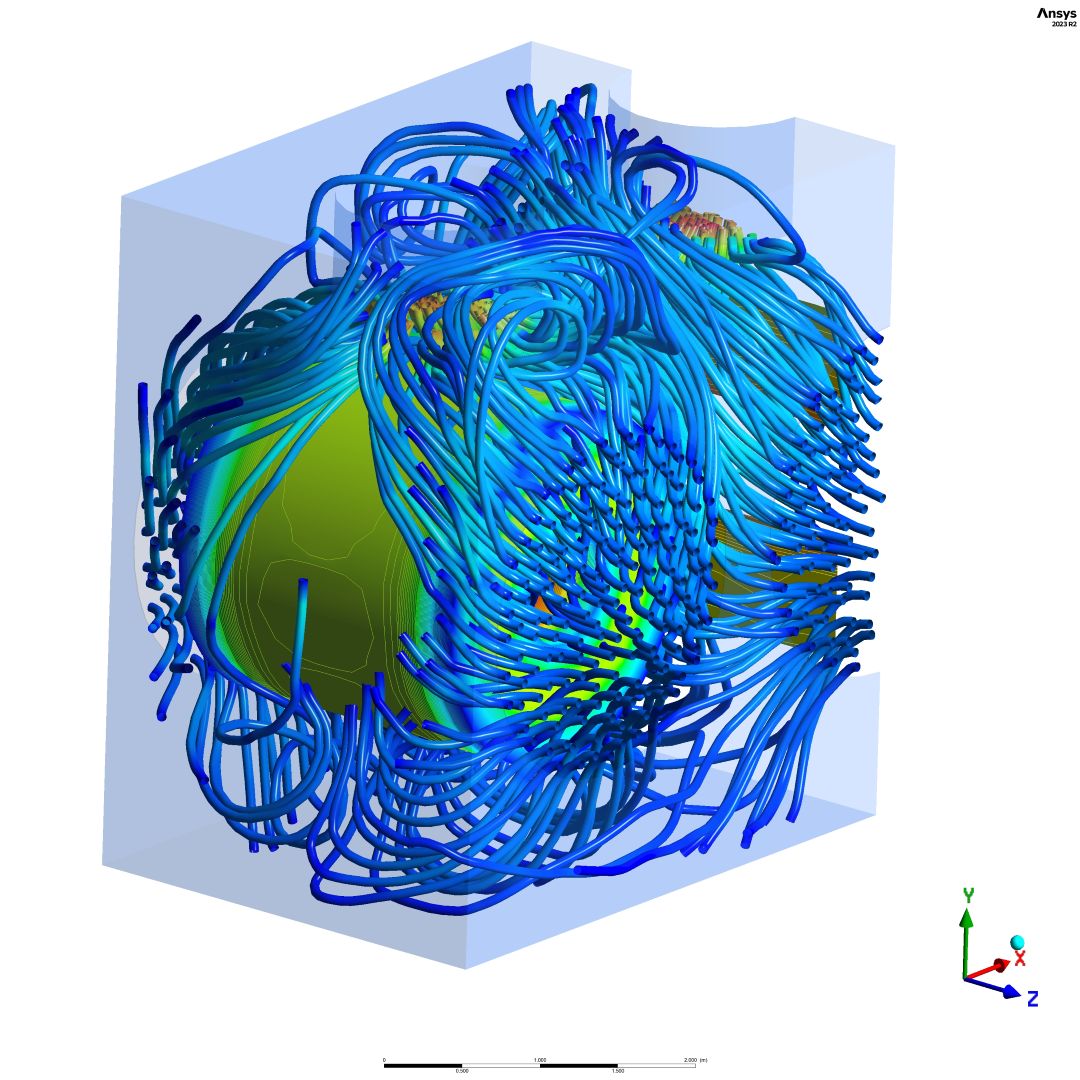
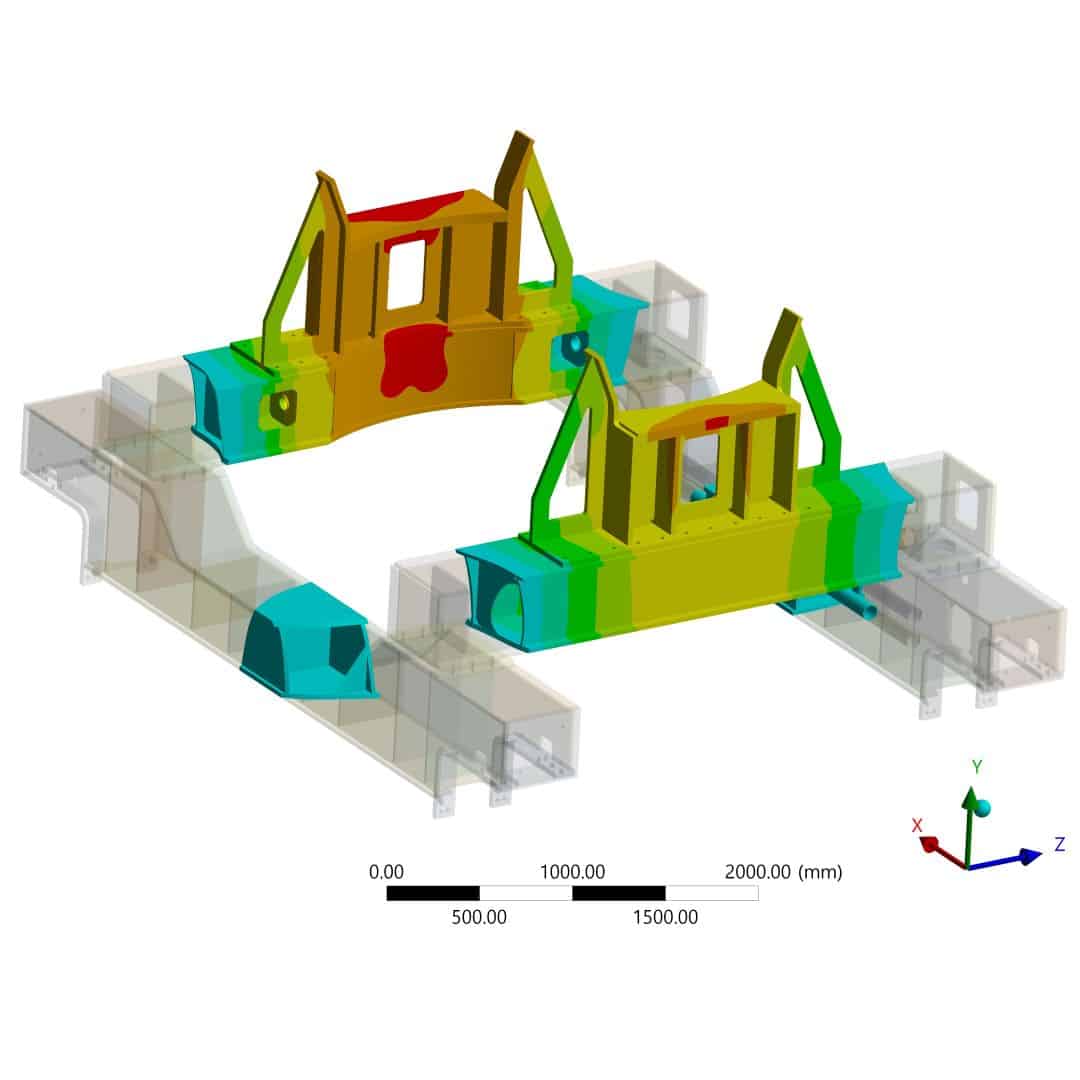
The analytical method depends on the engineering question itself, whether it concerns thermal behavior, structural integrity, or material flow. In thermal equipment, CFD models temperature distribution, gas flow patterns, and heat transfer efficiency, so energy losses or thermal unevenness get corrected before fabrication. In mechanical equipment, FEA examines structural behavior under thermal, mechanical, and cyclic loads, identifying stress concentration, deformation, fatigue, and buckling before they turn into real failures. In material handling systems, DEM predicts particle movement, actual material flow behavior, jamming probability, discharge uniformity, and wear patterns in charging and transfer equipment.
Simulation creates value only when its results change the design. The output of an analysis isn't the end point; it's the starting point for the next engineering decisions. Burner placement, internal furnace geometry, shell thickness, flow path, or charging system geometry can all be adjusted based on that same analysis.
That's why our validation engineers work alongside our machine design and plant engineering teams, ensuring that analysis results feed directly into design decisions. For us, simulation isn't the end of design; it's part of the design itself.
Deliverables typically include:
CFD analysis: flow behavior, heat transfer, and combustion
FEA analysis: stress, deformation, fatigue, and buckling
DEM studies: material handling and charging equipment
Design validation before fabrication
Design correction recommendations
Revisions applied to the final model and fabrication drawings
Deciding whether to build, modify, or buy a piece of equipment?
Let's confirm how it will really perform before you place the order.
Curious about our track record?
CFD, FEA, and DEM references from steel, aluminum, mining, and thermal process projects are available on request.