Remote Operations Center
When information reaches the operator, the operator no longer needs to stand beside the equipment.
When the work environment compromises decision quality
Why does a crane operator's precision drop after a few hours on shift? Why is handling quality inconsistent from one shift to the next? And why doesn't a unit's performance simply carry over when an experienced operator retires?
The answer isn't only safety. The real issue is the quality of the decision being made at that moment. When an operator has to stand next to the equipment, in heat, dust, or limited visibility, that environment shapes the decision itself: physical fatigue, an incomplete view, slower communication with other units.
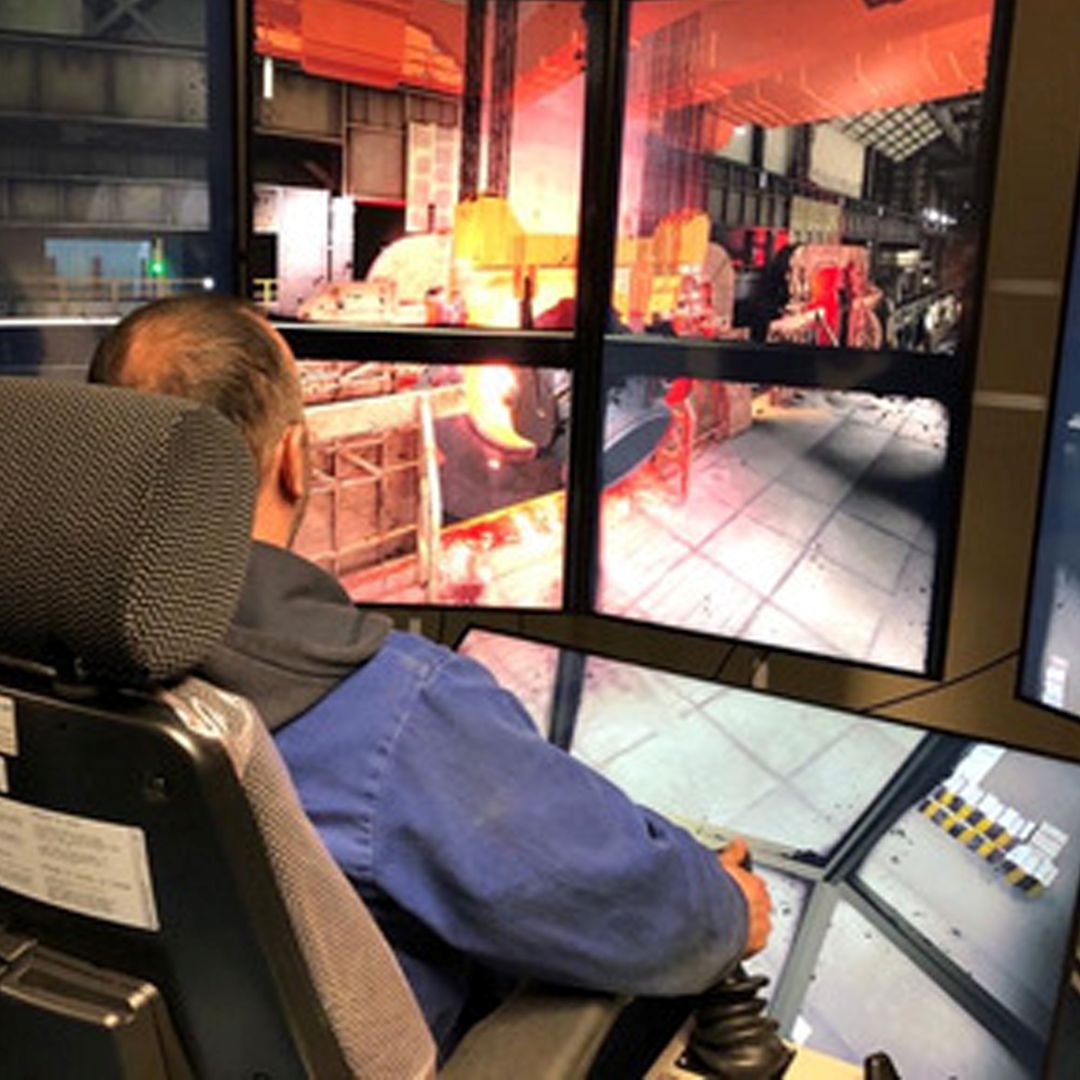
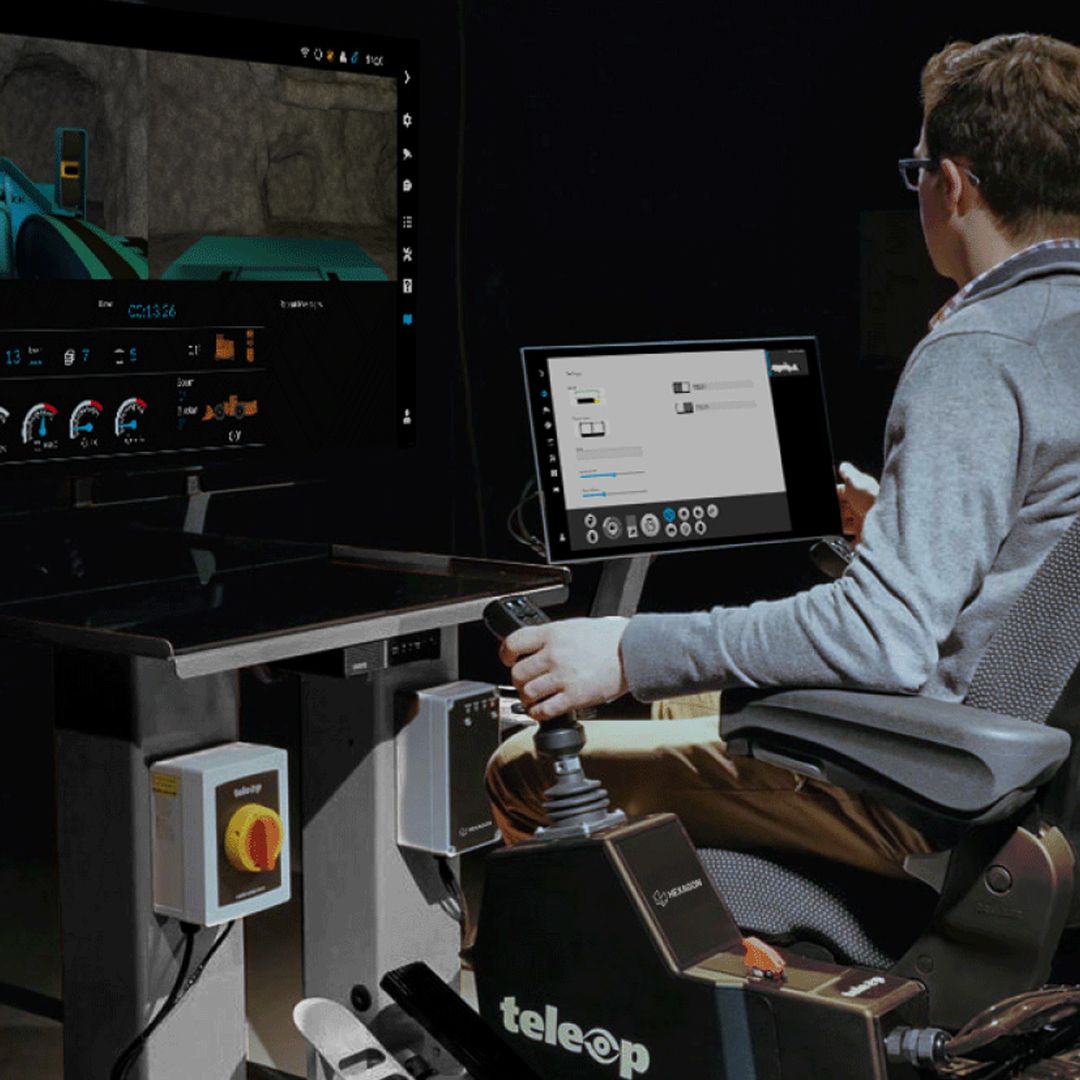
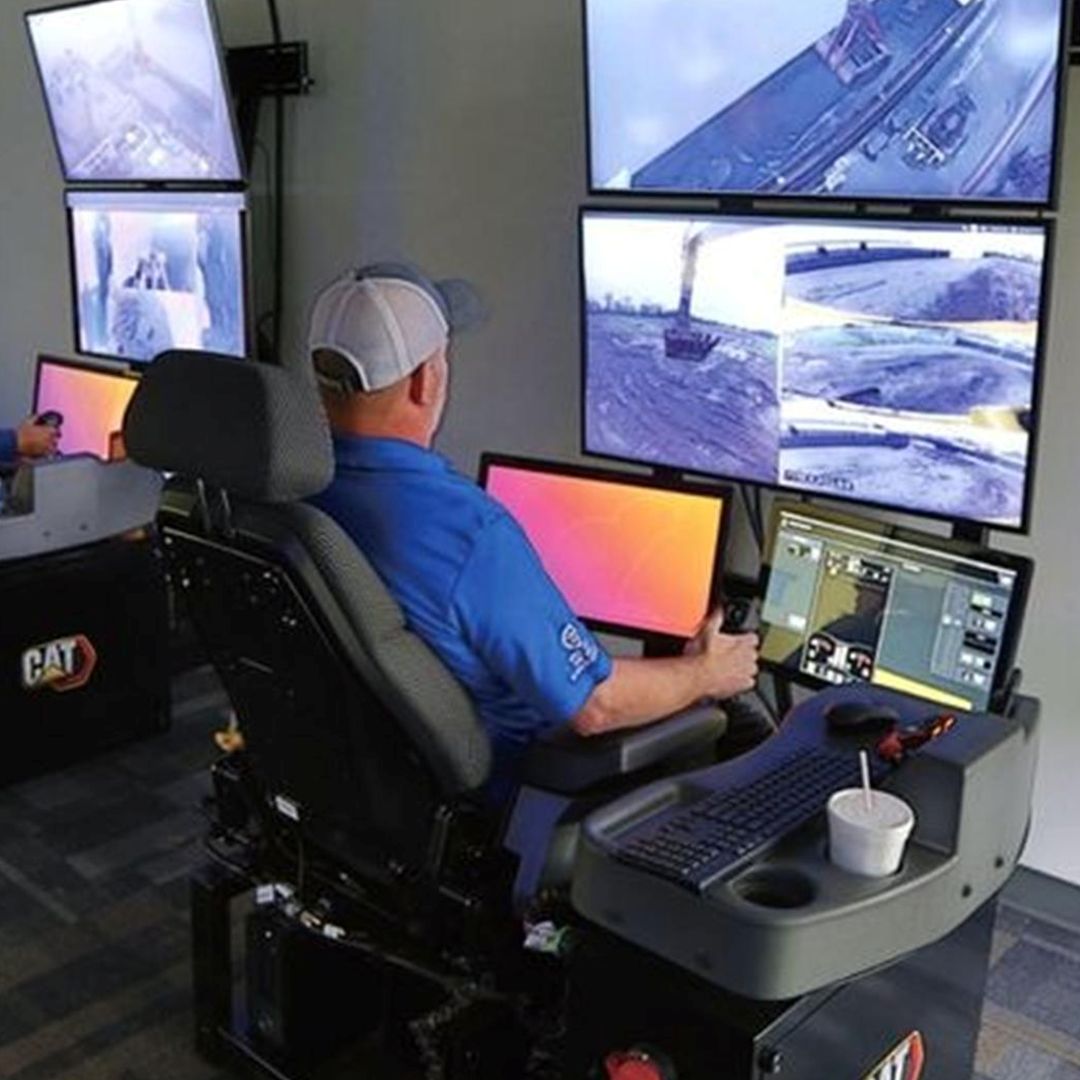
Remote operation means decision quality is no longer tied to heat, dust, or restricted sightlines. Instead, the operator works from a control room, watching several camera feeds at once, receiving process alarms alongside the image, staying in direct contact with other units, and drawing on off-site specialist support when needed. This isn't simply about relocating the operator; it raises the level of decision he's able to make.
The best operator isn't the one standing next to the equipment; it's the one with the clearest view of it.
Designing a control room by itself doesn't solve the problem. If the video feed lags, the connection is unstable, or critical information is scattered across several screens, all that's really changed is where the operator is sitting. The real difference lies in how the operation itself is engineered: how information is displayed, how alarms are prioritized, where cameras are positioned, and what happens if communication is lost.
In a system like this, reliability matters more than the technology itself. Communication architecture, redundant paths, and fail-safe scenarios are designed from day one so that losing a connection never becomes an operational risk of its own. Safety isn't delivered by a single piece of equipment; it's the outcome of the entire system architecture.
The result isn't only a lower safety risk. Operator performance becomes more consistent across shifts, the plant's dependence on a handful of key operators is reduced, downtime caused by human error decreases, and specialists can support several plants without being on site at any of them.
In many projects, the Smart Plant Suite forms the underlying architecture, and the Remote Operations Center is one of its components, alongside the Digital Twin, control systems, industrial network, and operational dashboards that give the operator a single, unified view of the plant.
Deliverables typically include:
- Remote Operations Center (ROC) architecture
- Operator workstation and HMI layout
- Redundant industrial communication architecture
- Alarm logic and fail-safe scenarios
- Commissioning documentation and Site Acceptance Test (SAT)
- Training program and operational handover
Which operation at your plant still depends on an operator's physical presence?
That's where we begin, assessing whether it can be performed more safely, more consistently, and more precisely from a remote-control room.