Machine Design & Simulation
When the starting point of a design is the operational objective, equipment is built around the logic of the plant's process — not the other way around.
Every Machine Works in the Digital World Before It Exists in the Real One
Standard equipment catalogues solve standard problems. When a plant's metallurgical requirements, spatial constraints, or energy parameters fall outside what catalogue equipment can accommodate, the machine itself needs to be engineered from scratch.
Alvand Technic designs complete industrial machines — melting furnaces, scrap dryers, charging systems, material handling equipment, fume treatment units. Every design begins with the operational target: metal recovery rate, thermal cycle time, energy consumption per ton of product. The operational objective drives the design; not the constraints of a standard product that was defined for someone else's plant.
Risk in design is eliminated where it can still be fixed with a line change on a drawing — not on site, not during commissioning.
Before the first plate of steel is cut, every design passes through a structured virtual validation protocol.
CFD simulation changes design decisions — burner arrangement, internal furnace geometry, gas flow path. Inefficiencies in combustion or thermal distribution are identified here, not after startup. FEA stress analysis tests structural integrity under the cyclic thermal and mechanical loads the machine will face across its operational life. DEM simulation models the flow of scrap, pellets, and flux through charging and handling systems, eliminating blockage risks before they reach the shop floor.
The output of all three is an engineering decision, not a report.
This approach carries particular weight in certain processes. In secondary aluminum operations, metal yield and energy consumption per ton are directly tied to internal furnace geometry and burner control. Small improvements in thermal uniformity translate to measurable gains in metal recovery at industrial scale.
Mechanical design at Alvand Technic is coordinated with control and automation architecture from the outset. Sensor locations, data paths, and Level 1/2 interface specifications are part of the design — not modifications added to the equipment afterward.
Depending on project scope, deliverables may include:
Concept & Feasibility: Process definition, equipment sizing, energy balance, CAPEX estimate
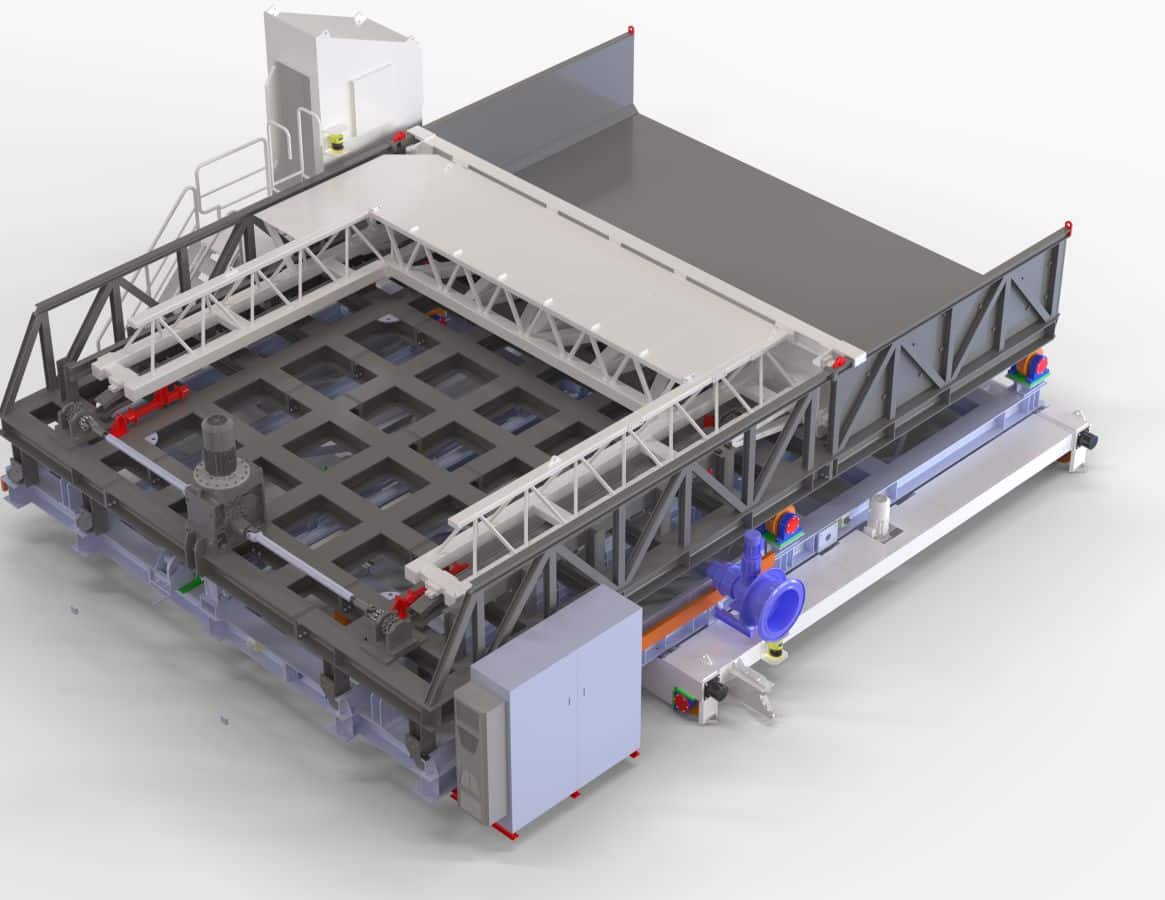
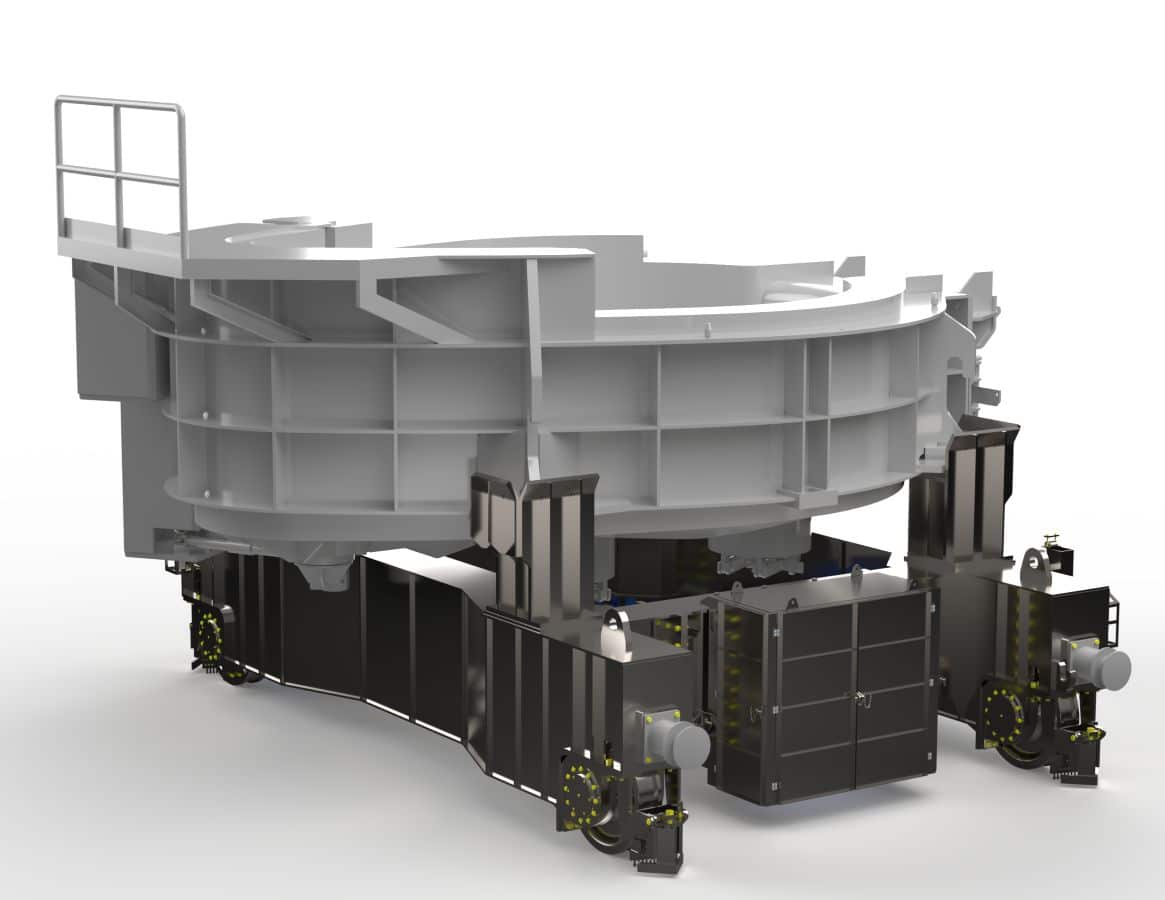
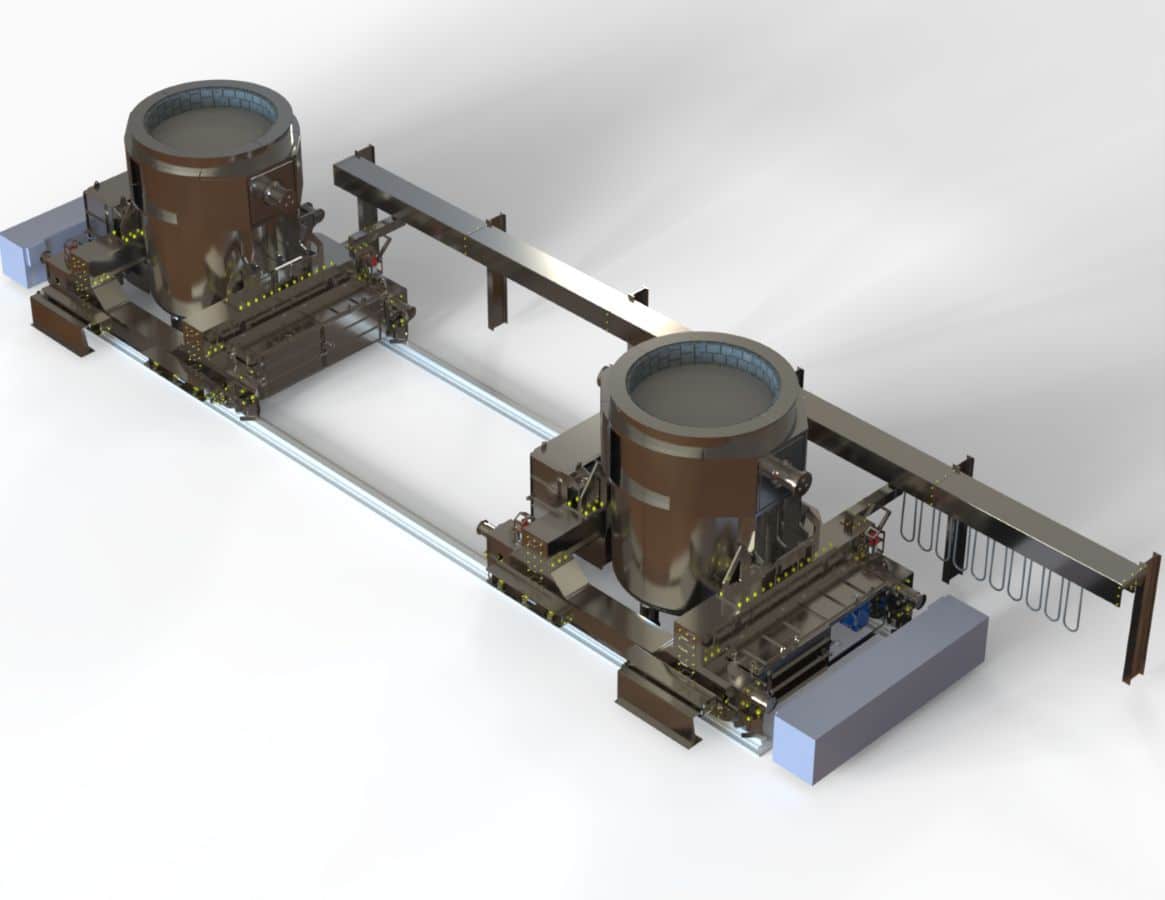
Detailed Mechanical Design: 3D CAD model, GA drawings, fabrication drawings, BOM, material specifications
Computational Validation: CFD thermal and flow analysis report, FEA structural report, DEM material flow study
Automation Integration: Sensor layout, control architecture, Level 1/2 interface specification
Factory Acceptance Testing: FAT protocol, performance test results, dimensional verification report
Equipment types covered: Tilting & Rotary Melting Furnaces · Scrap Dryers & Pre-treatment Systems · Automated Charging Machines · Material Handling & Conveying · Fume Treatment Plants · Heat Treatment Furnaces · Ladle & Transfer Equipment
Have a machine design requirement that standard equipment cannot meet?
Tell us the operational target. We will assess together whether a bespoke design is the right answer — and what it would take to validate it before committing to fabrication.
See our machine design references:
Alvand Technic has designed and fabricated custom industrial equipment for secondary aluminum, steel, mining, and specialty metals operations. References and simulation case studies available on request.